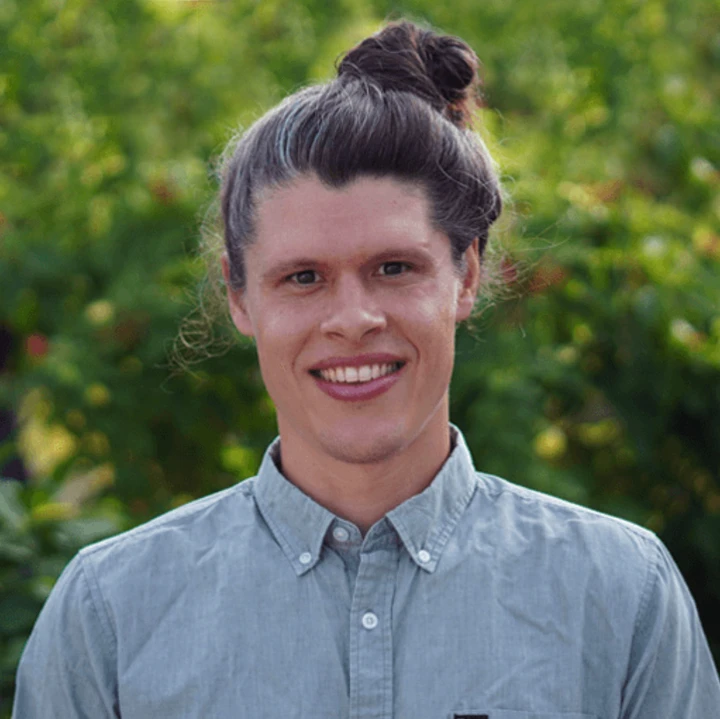
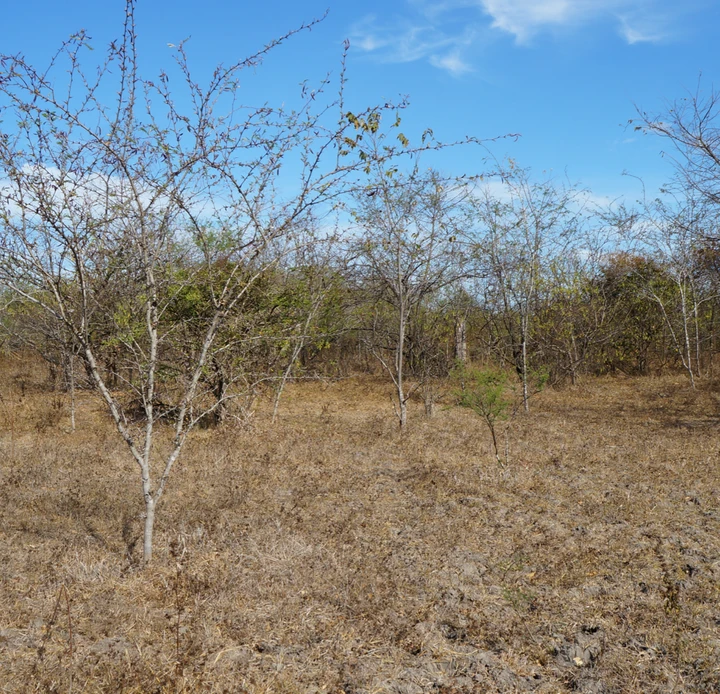
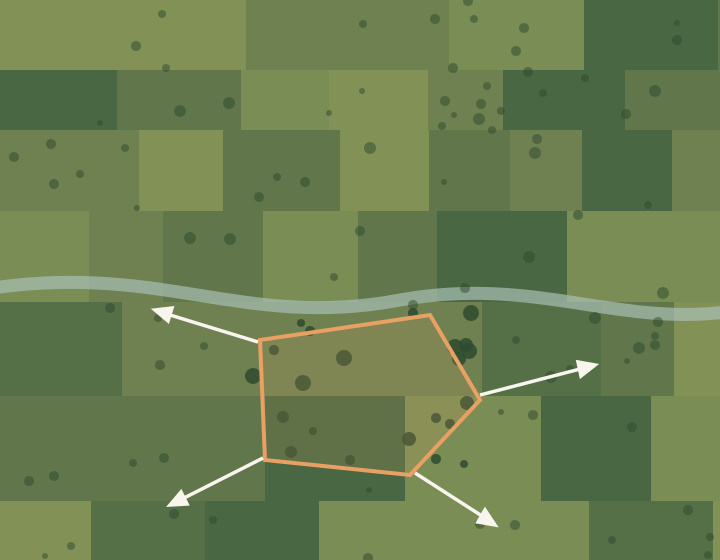
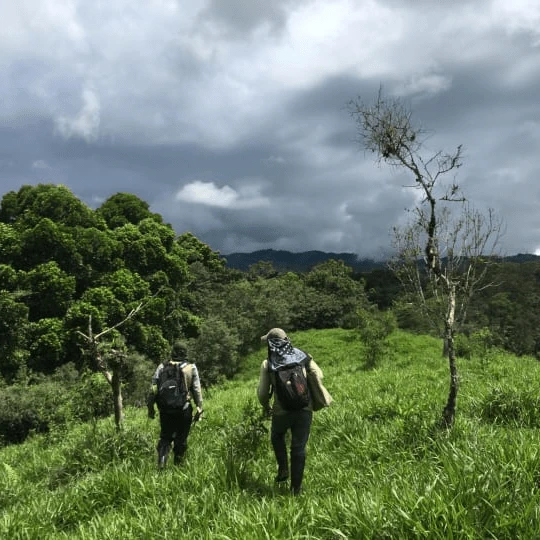
I am a restoration scientist and forest ecologist developing tools to conserve and restore degraded forests and to advance agroforestry practice in smallholder farming landscapes. My fieldwork has spanned tropical wet and dry forests in Costa Rica, Hawai‘i, Mexico, and Cambodia, and temperate forests across the United States and Europe.
My work aims to bridge the gap between ecological theory and on-the-ground practice, ensuring that real-world challenges shape research aims and lead to scalable solutions.
This research has informed restoration implementation across 1,000+ hectares and contributed to policy frameworks like the Forest Declaration Assessment. You can also watch a video of me discussing our work during the Funga speaker series.
I am currently Head of Nature at Slow, an agroforestry coffee company working with smallholder farmers in Southeast Asia, and a lead scientist at the BRANCH Institute, a nonprofit research hub for ecological regeneration. Previously, I was a senior scientist at ETH Zurich, where my group worked to improve global restoration outcomes and direct investment toward nature-based solutions. I also serve as Chief Scientific Advisor to the Plant-for-the-Planet Foundation. Alongside my research, I advise NGOs, foundations, agencies, and companies on restoration strategy, monitoring, and impact evaluation.
If you are interested in collaborating on any aspect of forest restoration or agroforestry science and implementation, please reach out.
How can we design agriculture to help nature recover?
Trees on farms can store carbon and shelter biodiversity while supporting livelihoods. With partners, we quantify the carbon and biodiversity benefits of smallholder coffee and cacao agroforestry and help define the research priorities that will let these working-lands systems reach their potential.
Global synthesis
Where is global ecosystem restoration currently, and where is it headed?
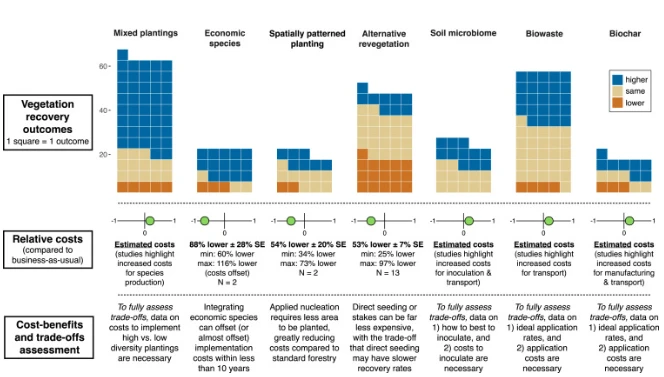
We treat thousands of restoration projects and studies as a global experiment, pooling field data, project databases such as Restor and SER, and worldwide meta-analyses to estimate the real carbon and biodiversity gains of restoration, and to learn which approaches deliver, and where.
Large-scale field experiments
Which interventions fit which contexts, and when do results generalize?
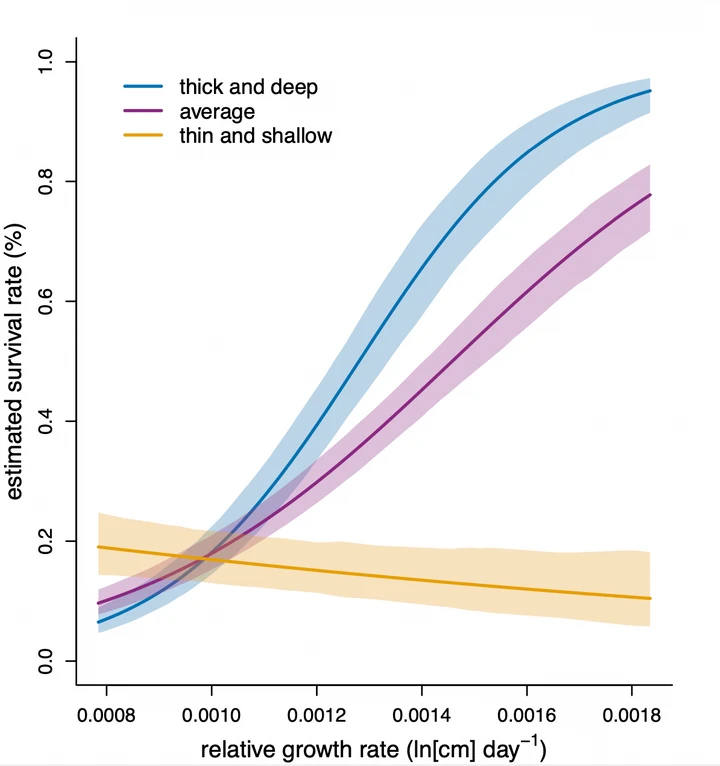
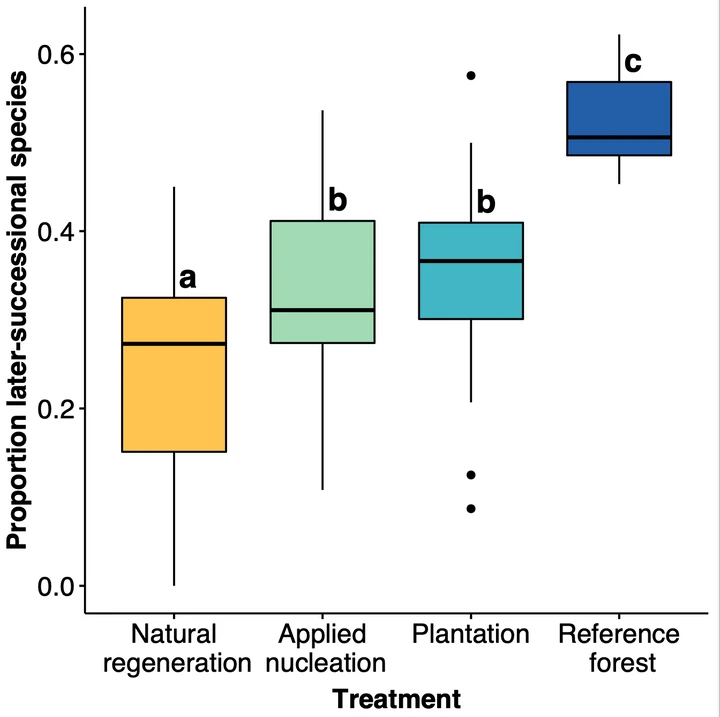
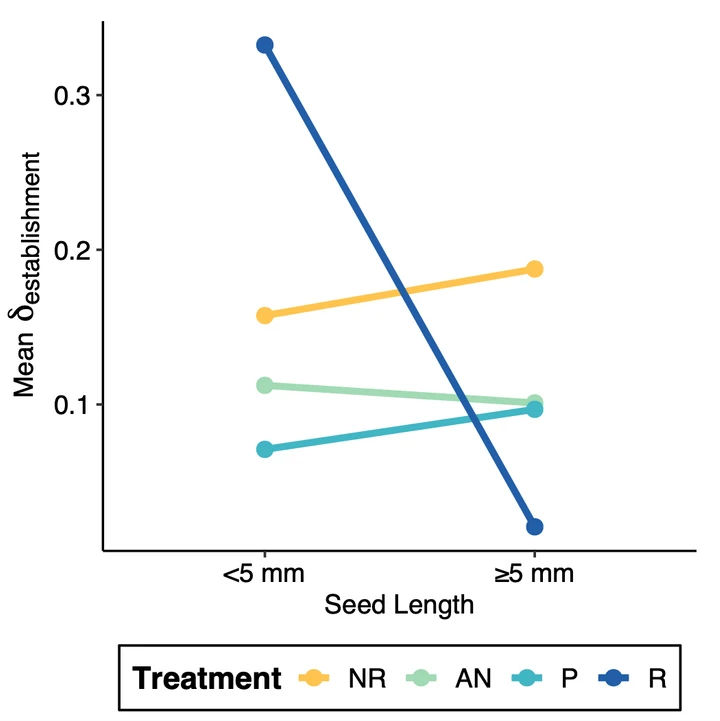
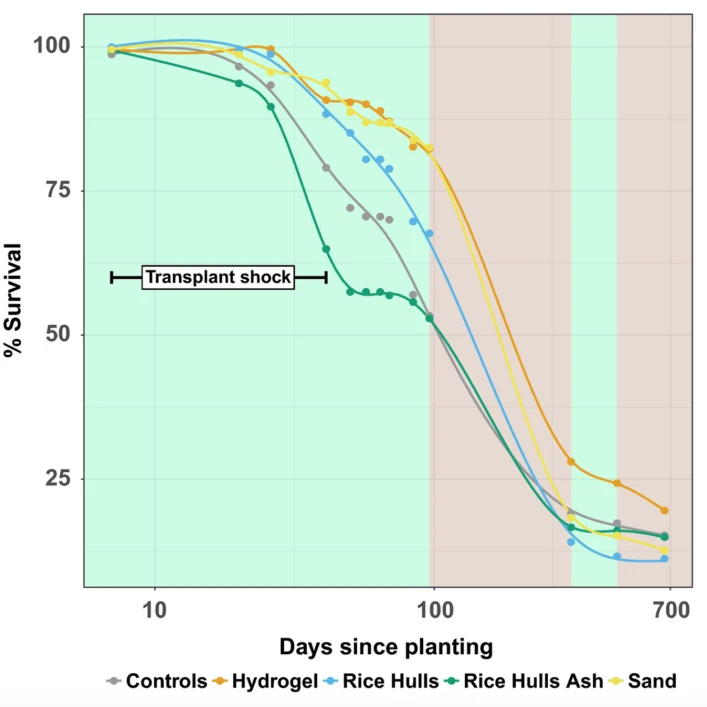
Through the Global Experiments Network and long-term Costa Rican trials now in their 10th and 25th years, we test how species choice, functional traits, and planting design shape which seedlings survive and how reliably forests recover.
Outcomes beyond project sites
What are restoration's wider impacts, both positive and negative?
At continental scale, we combine satellite remote sensing with causal analysis to map forest recovery and to test whether restoration delivers genuine gains or merely shifts forest loss beyond a project's borders, tracking these spillovers across Latin America and Africa.
Resourcing restoration
How do we get more resources to restoration, and use them efficiently?
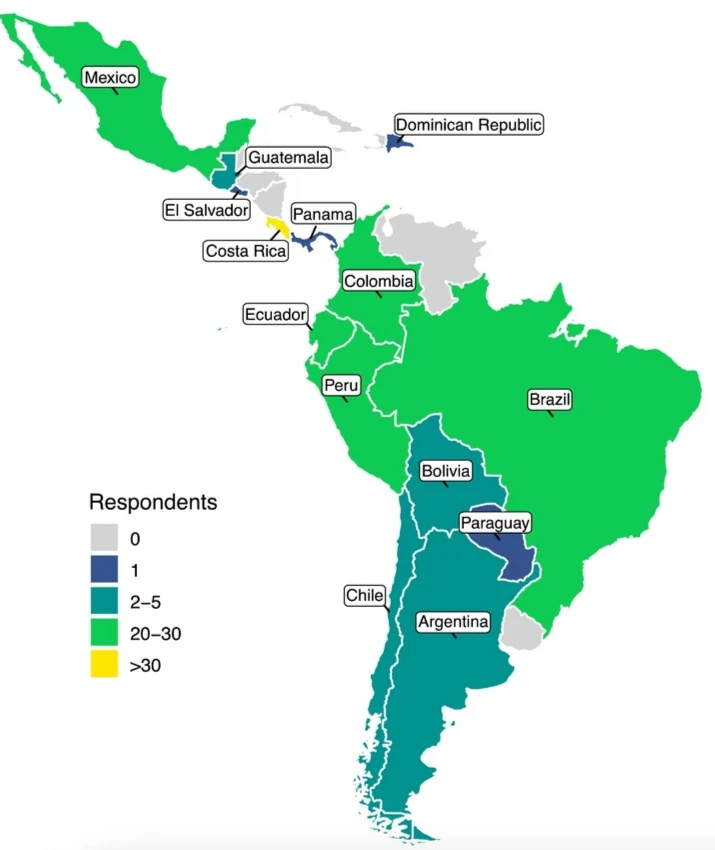
Compiling insights from nearly 500 practitioners across more than 90 countries, we find that governance, finance, and equity, not technology, most limit restoration, and we turn that evidence into fairer monitoring and restoration finance and nature-credit markets.
Monitoring innovation
Where can new tools improve monitoring, and when are they useful vs. redundant?
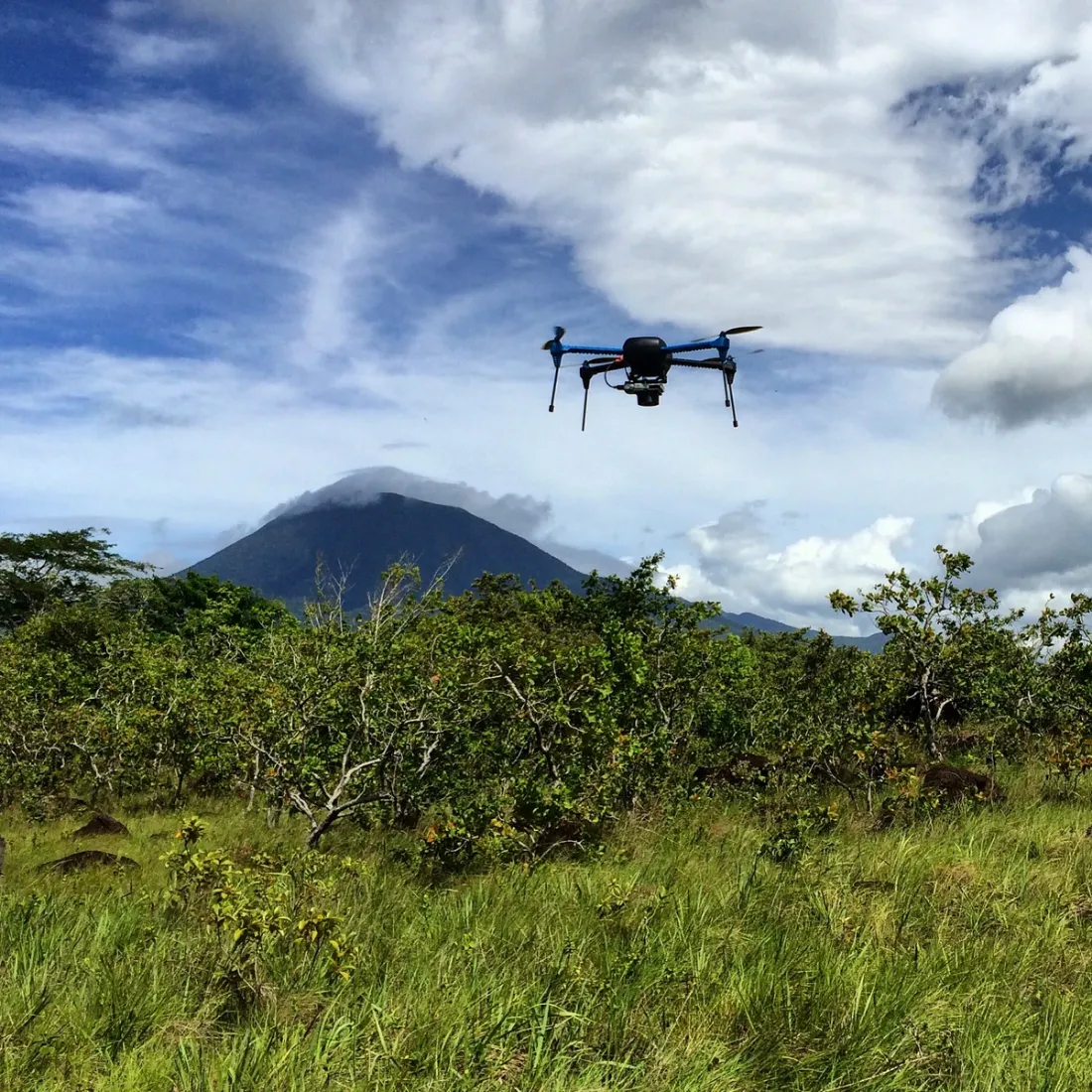
We develop and test monitoring tools across scales, from GEDI spaceborne LiDAR to sub-$1,000 consumer drones that turn ordinary photos into canopy metrics, to make tracking forest recovery affordable and accessible for any project.
I advise NGOs, agencies, and companies across restoration and carbon-project MRV: ecological project design, on-the-ground and remote-sensing impact evaluation, LiDAR-based carbon accounting, and alignment with major standards including Verra, Isometric, ISO 14064, the GHG Protocol Land Sector and Removals Guidance, and SBTi. Get in touch.
Lab leader (2022–2025): I directed a team of more than 20 volunteers synthesizing the grey literature to quantify carbon and biodiversity recovery across forest, savanna, and mangrove restoration.
Scientific leadership
Co-lead a Science for Nature and People Partnership (SNAPP) working group on restoration monitoring, author the restoration chapter of the Forest Declaration Assessment, and contribute to the UNFCCC Climate Champions.
Peer review & editing
Reviewer for more than 50 journals across ecology, restoration, conservation, and plant science; guest editor at Frontiers in Forests and Global Change; and grant-panel reviewer, including for the U.S. Department of Energy.
Mentorship & capacity building
I have mentored graduate and undergraduate researchers across four universities, co-taught ETH Zürich's restoration course, and co-founded the Las Hermanas Carpenter Scholarship for Costa Rican students.